
1. Introduction: The Arrival of Physical AI and a Structural Shift
A. An Industry Inflection Point: From Automation to Autonomy
As we navigate through 2025, the global robotics sector has reached a critical inflection point. We are moving beyond simple automation toward true autonomy. Traditional industrial robots were essentially blind mechanisms—executing repetitive tasks based on pre-programmed coordinates. Today, however, these machines are being reborn as Physical AI: systems that combine robotics with artificial intelligence to perceive, reason, and act in unstructured, real-world environments.
This technological evolution is expanding the total addressable market (TAM) for robotics far beyond manufacturing, reaching into logistics, healthcare, defense, and agriculture.
Crucially, the advances in Generative AI have triggered an “iPhone moment” for robotics. The integration of Large Language Models (LLMs) with Vision-Language-Action (VLA) models has effectively given robots a "brain." They can now understand human language and execute complex instructions. This lowers the programming barrier—historically the single biggest hurdle to adoption—and introduces a new paradigm where robot performance improves over time through data-driven learning.
B. Macroeconomic Backdrop: Labor Shortages and the Reshoring Supercycle
Alongside technological breakthroughs, the macroeconomic environment in the United States is creating a perfect storm for adoption.
1️⃣ Structural Labor Shortage: Accelerated retirements among Baby Boomers and a shrinking working-age population have driven wages higher. For many companies, Capex on automation is no longer optional—it is a matter of survival.
2️⃣ The Reshoring Supercycle: Geopolitical tensions and supply chain fragility have accelerated reshoring and friend-shoring. As manufacturing capacity returns to the U.S., companies must offset high North American labor costs with advanced robotic automation. This creates a long-term revenue tailwind for the sector.
3️⃣ Unwinding Pent-Up Demand: As interest rates began to stabilize in 2025, capital expenditure cycles have resumed. Projects delayed during the high-rate environment are coming back online, leading to a visible surge in new orders.
C. Objective and Methodology
This analysis is designed for investors seeking high-conviction exposure to the robotics theme. Rather than relying on speculative narratives, we focus on "validated stocks"—companies that appear in the high-conviction portfolios of major institutional ETFs.
We analyzed the holdings of the three most influential Robotics & AI ETFs in the U.S. market:
- BOTZ (Global X Robotics & Artificial Intelligence ETF): Focuses on market capitalization and liquidity, favoring large-cap industry leaders and AI infrastructure.
- ROBO (ROBO Global Robotics and Automation Index ETF): Covers the entire value chain (components, sensing, integration) and provides exposure to mid-cap technology leaders.
- ARKQ (ARK Autonomous Technology & Robotics ETF): An actively managed fund led by Cathie Wood, concentrating on disruptive innovation and high-growth potential.
By identifying overlapping holdings across these funds, we isolate the "consensus picks"—stocks that multiple asset managers agree are essential for the next cycle.
2. Analytical Framework: Viewing the Industry Through Institutional Eyes
Understanding the distinct investment philosophies of these ETFs helps decipher the "collective intelligence" of the market.
A. Differing Philosophies: BOTZ vs. ROBO vs. ARKQ
BOTZ: The "Winner-Takes-All" & Infrastructure Play
BOTZ operates on the premise that industry growth will accrue to a few dominant players. As of late 2025, NVIDIA accounts for a significant portion of the portfolio (approx. 10.90%). This reflects the view that modern robots are essentially computers requiring massive AI compute.
ROBO: The "Ecosystem" & Industrial Play
ROBO avoids heavy concentration in single stocks. Instead of Big Tech, its top holdings often include key component manufacturers and industrial stalwarts like Teradyne and Rockwell Automation. It bets on the cyclical recovery of the industrial base rather than just software hype.
ARKQ: The "Disruption" & Autonomy Play
ARKQ runs the most aggressive book. Its largest holding is typically Tesla (approx. 12.58%), viewing the company not as an automaker, but as the leader in autonomous driving (FSD) and humanoid robotics (Optimus). It also heavily favors defense and aerospace innovation.
B. The Consensus List: Core Picks
The following companies appear as top holdings in at least two of the major ETFs, signaling strong institutional backing:
| Category | Core Company (Ticker) | Key ETF Overlap | Investment Thesis |
|---|---|---|---|
| Brain (AI) | NVIDIA (NVDA) | BOTZ, ARKQ | Dominant robotics training and simulation platform (Isaac Sim). |
| Body (Cobots) | Teradyne (TER) | ROBO, ARKQ | #1 in collaborative robots; earnings turnaround underway. |
| Healthcare | Intuitive Surgical (ISRG) | BOTZ, ROBO | Absolute leader in surgical robotics; new product cycle (DV5). |
| Logistics | Symbotic (SYM) | BOTZ | Next-gen warehouse automation; major backlog with Walmart. |
| Software | UiPath (PATH) | BOTZ | Evolution toward Agentic AI and enterprise automation. |
| Manufacturing | Rockwell Automation (ROK) | ROBO, ARKQ | Smart factory standard; key beneficiary of U.S. reshoring. |
| Disruption | Tesla (TSLA) | ARKQ | Leader in humanoid robot commercialization (Optimus). |
3. Deep Dive: Core Themes and Stock Analysis
A. The “Brain” (Cognitive Layer): NVIDIA (NVDA)
ETF Weighting: BOTZ (~10.90%)
Many investors still categorize NVIDIA solely as a data center chipmaker. However, in the robotics domain, NVIDIA is effectively building the operating system of the physical world. At the heart of the 2025 "Physical AI" narrative stands NVIDIA.
The "Simulation" Moat (Isaac & Omniverse):
The biggest bottleneck in robotics is data. Training robots in the real world is slow, expensive, and dangerous. NVIDIA solves this with Isaac Sim, a virtual simulation environment built on Omniverse. Robots train in physics-based virtual worlds, generating millions of hours of data instantly. This synthetic data is then transferred to real robots via Project GR00T, a foundation model specifically for humanoids.
Outlook: With major humanoid developers—including Boston Dynamics, Agility Robotics, and Figure AI—adopting NVIDIA’s ecosystem, the company is cementing a monopoly in robotics software similar to Android’s role in mobile.
B. The “Body” (Collaborative Robots): Teradyne (TER)
 ETF Weighting: ROBO (#1 Holding), ARKQ (Top 5)
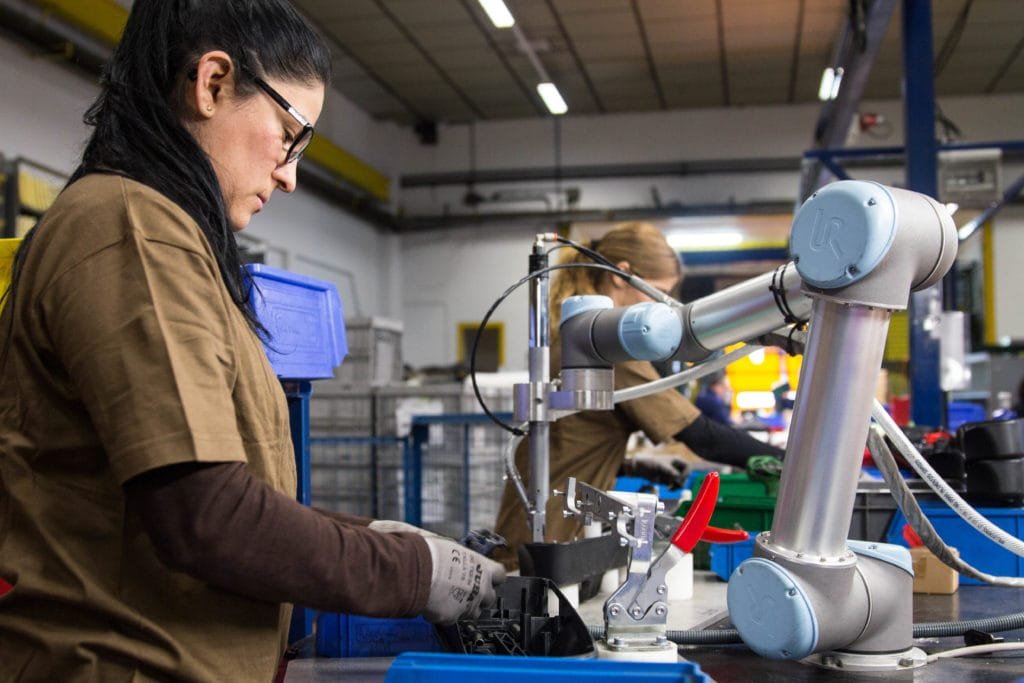
Teradyne is a dual-threat company: a leader in semiconductor testing and the parent company of Universal Robots (UR), the global dominant player in collaborative robots (cobots). Unlike traditional caged robots, cobots work safely alongside humans.
Investment Thesis: Structural Rebound
After a manufacturing slowdown in 2024, Teradyne is pivoting. Robotics revenue showed a 9% QoQ growth in mid-2025, signaling a cyclical bottom. Customer inventory corrections are concluding, and the integration of UR (arms) and MiR (autonomous mobile robots) is driving cross-selling synergies.
The "Whale" Catalyst:
Market speculation suggests Teradyne is in advanced talks with a "major large customer"—widely believed to be Amazon—for its next-gen logistics automation. If confirmed, this would be a massive revenue catalyst for 2026, justifying its top weighting in ROBO.
C. Precision Healthcare: Intuitive Surgical (ISRG)
 ETF Weighting: BOTZ (Top 10), ROBO (~2%)
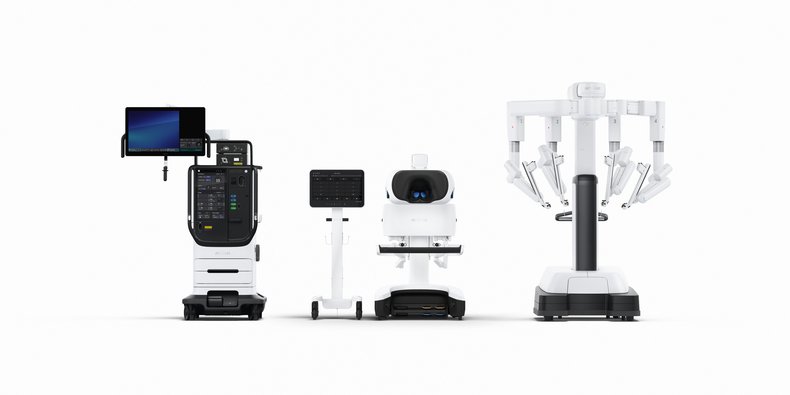
Intuitive Surgical dominates the global operating room with its da Vinci systems. It is the rare "defensive growth" stock in the robotics sector, as surgical demand is largely recession-proof.
The "Da Vinci 5" Supercycle:
The rollout of the da Vinci 5 (DV5) is the primary driver. DV5 offers 10,000x the computing power of its predecessor and introduces force feedback, allowing surgeons to "feel" tissue resistance. Early adoption metrics are strong, with DV5 units comprising over 50% of new installs in recent quarters. The company’s "razor-and-blade" model (recurring revenue from instruments) provides exceptional cash flow visibility.
D. Logistics & Supply Chain: Symbotic (SYM)
 ETF Weighting: BOTZ (~2.89%)
Symbotic is redefining warehouse logistics. Using AI-driven fleets of autonomous bots, they transform traditional warehouses into high-density storage facilities.
The Walmart Anchor:
Symbotic’s investment case is anchored by its partnership with Walmart. With a massive backlog estimated at $5 billion+ and active deployment across hundreds of stores, revenue visibility is high. While customer concentration is a risk, the technology provides a massive "lock-in" effect once installed, creating a wide competitive moat.
E. Manufacturing & IoT: Rockwell Automation (ROK)
ETF Weighting: ROBO (~1.83%)
Rockwell is the "brain" of the American factory floor, specializing in industrial automation software and PLCs. It is a pure-play bet on the re-industrialization of the United States.
Reshoring Beneficiary:
Rockwell is positioned to capture the lion's share of Capex driven by the CHIPS Act and IRA incentives. Guidance for fiscal 2026 suggests a return to organic growth, indicating the industrial cycle has troughed. It serves as a solid core holding for investors betting on the broader economic recovery.
F. Software Automation: UiPath (PATH)
ETF Weighting: BOTZ (~3.04%)
UiPath leads the market in Robotic Process Automation (RPA)—automating digital tasks rather than physical ones. The company is successfully transitioning from simple script-based bots to Agentic AI capable of complex decision-making.
profitability pivot:
Crucially, UiPath achieved GAAP profitability in late 2025. This financial discipline, combined with its evolution into AI-driven enterprise automation, makes it a compelling "software robotics" play in a high-rate environment.
G. Disruptive Innovation: Tesla (TSLA) & Kratos (KTOS)
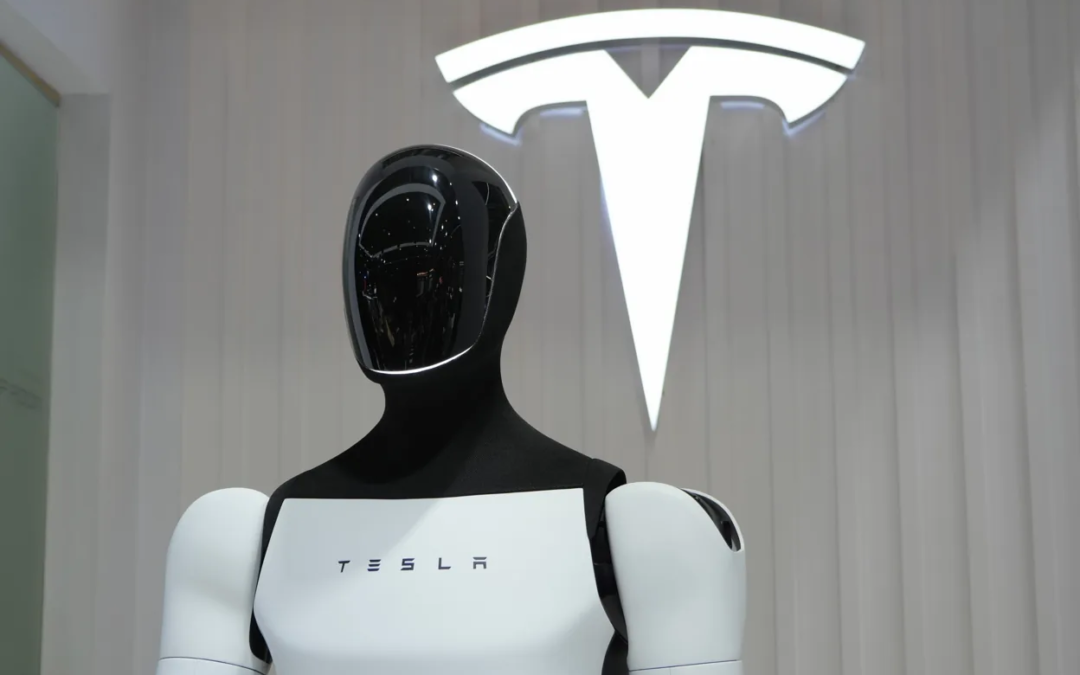
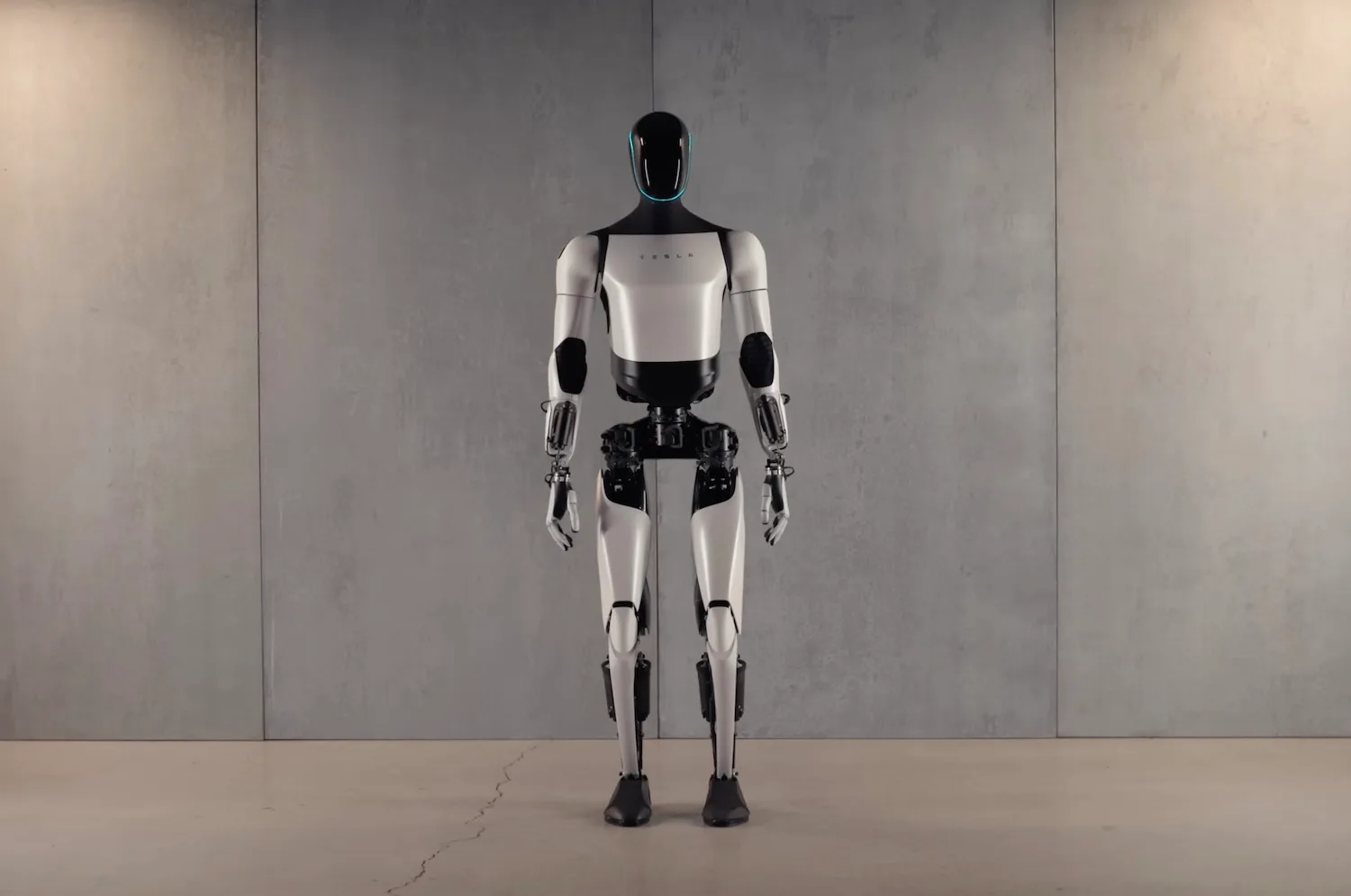 Tesla (Optimus): The largest holding in ARKQ. The market is beginning to price in the optionality of Optimus. Tesla’s advantage lies in its ability to port its FSD (Full Self-Driving) neural networks directly into humanoid bodies.
Kratos Defense: A key holding in ARKQ (Defense/Space). Kratos specializes in unmanned aerial systems, including the "Loyal Wingman" drone program. Rising geopolitical instability is driving demand for low-cost, expendable autonomous defense assets.
4. Conclusion and Investment Strategy
Based on the cross-validation of major ETFs and current market dynamics, investors can categorize these opportunities into four distinct strategies:
1. The "Core Growth" Strategy (Follow the Leader)
Pick: NVIDIA (NVDA)
Despite high valuations, owning the "brain" of the industry is the most direct way to capture the robotics megatrend. It is the consensus pick across all major funds.
2. The "Defensive Growth" Strategy (Stability)
Pick: Intuitive Surgical (ISRG)
For investors seeking steady upside with lower volatility. The DV5 product cycle offers multi-year visibility regardless of the macro economy.
3. The "Cyclical Rebound" Strategy (Value/Turnaround)
Picks: Teradyne (TER), Rockwell Automation (ROK)
These stocks are the prime beneficiaries of a manufacturing recovery in 2026. This is a forward-looking trade, buying the bottom of the industrial cycle before full earnings recovery materializes.
4. The "Alpha Generator" Strategy (High Risk / High Reward)
Picks: Symbotic (SYM), Tesla (TSLA), UiPath (PATH)
Allocating a smaller portion (10–15%) to these disruptors can significantly enhance portfolio alpha. However, they carry higher volatility and require active monitoring of specific catalysts (e.g., Tesla's robot rollout, Symbotic's execution).